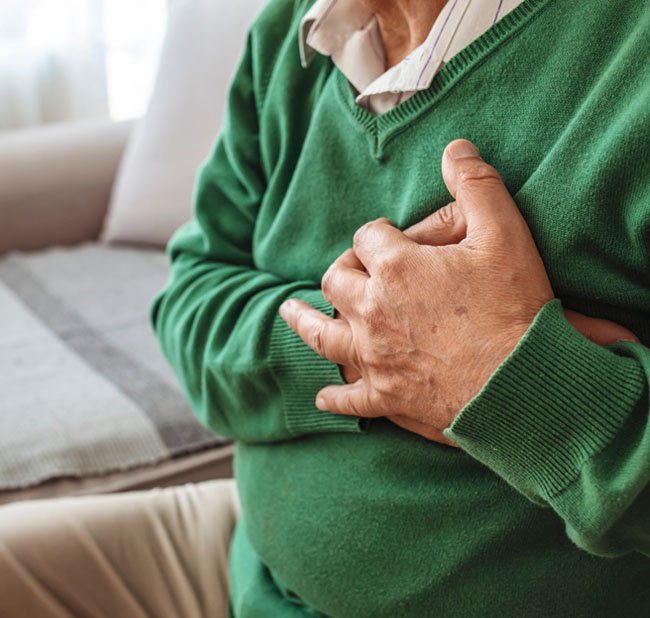
When discovering different types of heart testing, it can often be overwhelming. EKG, Echocardiogram, blood test, heart scans…the list could go on. At Henry Community Health we don’t want you to go into a test without knowing what to expect.
In this article, we are going to break down what it means to have a coronary calcium scan. Better known as a heart scan.
What is a heart scan?
A heart scan is a screening test that detects calcium, which is a common component in the build up of plaque inside blood vessels. The scan allows us to measure the build-up of calcium and plaque inside your arteries.
Note that not all calcium deposits in the coronary arteries mean there is a blockage, and not all blocked arteries contain calcium. The earliest form of coronary artery disease called soft plaque cannot be detected by cardiac calcium scoring.
How can a heart scan help?
Cardiovascular disease is the leading cause of death in both men and women. And, up to 25 percent of patients with significant coronary artery disease don’t have any symptoms of heart problems.
Screening for coronary artery calcification is a proven tool to identify patients without symptoms who are at high risk for major heart problems.
Who should consider a heart scan?
We recommend that men ages 35-70 and women ages 40-70 with any of the following risk factors have a heart scan:
- Family history of heart disease
- History of smoking
- Diabetes
- High cholesterol
- High blood pressure
- Overweight
- Sedentary lifestyle
- High stress levels
- Vascular disease
- Younger people with at least two of these risk factors should also consider this screening exam
Who should not have a heart scan?
Anyone who has had a heart attack, cardiac angioplasty, cardiac stent or any type of heart surgery, or women who are pregnant or think they may be pregnant should not have the test.
What is the test like?
The screening is a painless, noninvasive exam. It does not involve injections or patient preparation. You will be asked to lie down on the scanning table and small EKG patches will be applied to your chest. The table will slowly move, while the high-speed CT scanner takes pictures of your heart. You will be asked to hold your breath for approximately 15 seconds while the images are being recorded. The entire test usually takes about 15 minutes.
Why is knowing your score helpful?
Knowing your heart scan score will help you by:
- Detecting the buildup of calcium earlier than other technology
- Assisting you and your physician in developing an appropriate prevention strategy
- Providing your physician with a tool that can measure the progression or regression of calcium buildup (atherosclerosis)
- Giving you peace of mind
What does calcium scoring mean?
- 0: No plaque is present. You have less than a 4% change of having heart disease. Your risk of a heart attack is very low.
- 1-10: A small amount of plaque is present. You have less than a 10% chance of having heart disease. Your risk of a heart attack is low. However, if you smoke, you may want to quit smoking, eat better and move more.
- 11-100: Plaque is present. You have mild heart disease. Your chance of having a heart attack is moderate. Talk to your doctor about a healthier lifestyle and other treatments you may need.
- 101-400: A moderate amount of plaque is present. You have heart disease and plaque may be blocking your artery. Your chance of having a heart attack is moderate to high. Your health professional may want to do more tests and may start treatment for other risk factors like high blood pressure and high cholesterol.
- Over 400: A large amount of plaque is present. The chance the plaque is blocking one of your arteries is more than 90%. Your chance of having a heart attack is high. Your health professional will want to do more tests and start treatment.
Will health insurance cover a heart scan?
Most major health insurance plans consider this a non-covered service. It is up to the individual to file a claim with their respective insurance carrier.
What does the test cost?
Heart scans cost $49, and payment is due at time of service. Payment may be made by debit or credit card at the time of scheduling. We accept Visa, Discover and MasterCard. Cash is also accepted from 8 am – 4 pm at the cashier’s office located on the ground floor of Henry Community Health Hospital – Main Campus. We are unable to accept personal checks.
Is a physician referral necessary?
No referral is necessary for a heart scan; you can request the test yourself. However, we strongly encourage you to discuss the results with your physician. If you don’t have a physician, we can assist you in finding you one.
Ready to schedule your heart scan? Call 765-521-1415 to schedule your appointment today.
